Vintage years
The 2024 harvest
Season weather by region, compared with the previous ten years.
2024
season complete- Zones35
- Wines in catalogue101
In brief
The 2024 season in brief
- Banat: warmer than the previous ten years here; an ordinary September for rain; unusually many days above 35 °C.
- Dobrogea Hills: warmer than the previous ten years here; a wetter September than the previous ten.
- Crișana and Maramureș: warmer than the previous ten years here; an ordinary September for rain; unusually many days above 35 °C.
- Moldovan Hills: warmer than the previous ten years here; a wetter September than the previous ten.
- Muntenia and Oltenia Hills: warmer than the previous ten years here; a wetter September than the previous ten; unusually many days above 35 °C.
- Sands and other favourable lands of southern Romania: warmer than the previous ten years here; an ordinary September for rain; unusually many days above 35 °C.
- Transylvanian Plateau: warmer than the previous ten years here; an ordinary September for rain; unusually many days above 35 °C.
- Danube Terraces: warmer than the previous ten years here; a wetter September than the previous ten; unusually many days above 35 °C.
Compared with each region's 2014–2023 mean. ERA5-Land and ERA5 reanalysis, Copernicus Climate Change Service (C3S), CC BY 4.0. Weather, not a rating of the wine.
Zone by zone
The 2024 season zone by zone
The season zone by zone: the region as a whole first, then its appellations. Each is compared with its own mean over the previous ten years.
Only the unusual is coloured: warmth and September rain are compared with each zone's mean over the previous ten years; a frost means a minimum of −2 °C or lower after 10 April. An uncoloured indicator means “as usual”, a dashed one means no data. Tap an indicator for the full sentence; the figures by region are in the table on the vintage years page.
Banat
The region is computed at a single representative point, not as an average of its appellations — so its indicators can differ from those of the appellations below.
Banatwhole region
heat
unusually many days above 35 °C: in such heat ripening stalls and berries burn
usual September
an ordinary September for rain
no frost
no spring frost down to −2 °C after 10 April
heat
unusually many days above 35 °C: in such heat ripening stalls and berries burn
usual September
an ordinary September for rain
no frost
no spring frost down to −2 °C after 10 April
Dobrogea Hills
The region is computed at a single representative point, not as an average of its appellations — so its indicators can differ from those of the appellations below.
Dobrogea Hillswhole region
warmer
warmer than the previous ten years here
wet September
a wetter September than the previous ten
no frost
no spring frost down to −2 °C after 10 April
heat
unusually many days above 35 °C: in such heat ripening stalls and berries burn
wet September
a wetter September than the previous ten
no frost
no spring frost down to −2 °C after 10 April
heat
unusually many days above 35 °C: in such heat ripening stalls and berries burn
wet September
a wetter September than the previous ten
no frost
no spring frost down to −2 °C after 10 April
warmer
warmer than the previous ten years here
wet September
a wetter September than the previous ten
no frost
no spring frost down to −2 °C after 10 April
Crișana and Maramureș
The region is computed at a single representative point, not as an average of its appellations — so its indicators can differ from those of the appellations below.
Crișana and Maramureșwhole region
heat
unusually many days above 35 °C: in such heat ripening stalls and berries burn
usual September
an ordinary September for rain
no frost
no spring frost down to −2 °C after 10 April
heat
unusually many days above 35 °C: in such heat ripening stalls and berries burn
usual September
an ordinary September for rain
no frost
no spring frost down to −2 °C after 10 April
Moldovan Hills
The region is computed at a single representative point, not as an average of its appellations — so its indicators can differ from those of the appellations below.
Moldovan Hillswhole region
warmer
warmer than the previous ten years here
wet September
a wetter September than the previous ten
no frost
no spring frost down to −2 °C after 10 April
heat
unusually many days above 35 °C: in such heat ripening stalls and berries burn
wet September
a wetter September than the previous ten
no frost
no spring frost down to −2 °C after 10 April
heat
unusually many days above 35 °C: in such heat ripening stalls and berries burn
wet September
a wetter September than the previous ten
no frost
no spring frost down to −2 °C after 10 April
heat
unusually many days above 35 °C: in such heat ripening stalls and berries burn
wet September
a wetter September than the previous ten
no frost
no spring frost down to −2 °C after 10 April
heat
unusually many days above 35 °C: in such heat ripening stalls and berries burn
wet September
a wetter September than the previous ten
no frost
no spring frost down to −2 °C after 10 April
heat
unusually many days above 35 °C: in such heat ripening stalls and berries burn
wet September
a wetter September than the previous ten
no frost
no spring frost down to −2 °C after 10 April
warmer
warmer than the previous ten years here
wet September
a wetter September than the previous ten
no frost
no spring frost down to −2 °C after 10 April
warmer
warmer than the previous ten years here
wet September
a wetter September than the previous ten
no frost
no spring frost down to −2 °C after 10 April
heat
unusually many days above 35 °C: in such heat ripening stalls and berries burn
wet September
a wetter September than the previous ten
no frost
no spring frost down to −2 °C after 10 April
Muntenia and Oltenia Hills
The region is computed at a single representative point, not as an average of its appellations — so its indicators can differ from those of the appellations below.
Muntenia and Oltenia Hillswhole region
heat
unusually many days above 35 °C: in such heat ripening stalls and berries burn
wet September
a wetter September than the previous ten
no frost
no spring frost down to −2 °C after 10 April
heat
unusually many days above 35 °C: in such heat ripening stalls and berries burn
usual September
an ordinary September for rain
no frost
no spring frost down to −2 °C after 10 April
heat
unusually many days above 35 °C: in such heat ripening stalls and berries burn
wet September
a wetter September than the previous ten
no frost
no spring frost down to −2 °C after 10 April
heat
unusually many days above 35 °C: in such heat ripening stalls and berries burn
wet September
a wetter September than the previous ten
no frost
no spring frost down to −2 °C after 10 April
heat
unusually many days above 35 °C: in such heat ripening stalls and berries burn
wet September
a wetter September than the previous ten
no frost
no spring frost down to −2 °C after 10 April
heat
unusually many days above 35 °C: in such heat ripening stalls and berries burn
usual September
an ordinary September for rain
no frost
no spring frost down to −2 °C after 10 April
warmer
warmer than the previous ten years here
wet September
a wetter September than the previous ten
no frost
no spring frost down to −2 °C after 10 April
Sands and other favourable lands of southern Romania
Sands and other favourable lands of southern Romaniawhole region
heat
unusually many days above 35 °C: in such heat ripening stalls and berries burn
usual September
an ordinary September for rain
no frost
no spring frost down to −2 °C after 10 April
Transylvanian Plateau
The region is computed at a single representative point, not as an average of its appellations — so its indicators can differ from those of the appellations below.
Transylvanian Plateauwhole region
heat
unusually many days above 35 °C: in such heat ripening stalls and berries burn
usual September
an ordinary September for rain
no frost
no spring frost down to −2 °C after 10 April
warmer
warmer than the previous ten years here
usual September
an ordinary September for rain
no frost
no spring frost down to −2 °C after 10 April
warmer
warmer than the previous ten years here
usual September
an ordinary September for rain
no frost
no spring frost down to −2 °C after 10 April
heat
unusually many days above 35 °C: in such heat ripening stalls and berries burn
usual September
an ordinary September for rain
no frost
no spring frost down to −2 °C after 10 April
warmer
warmer than the previous ten years here
usual September
an ordinary September for rain
no frost
no spring frost down to −2 °C after 10 April
Danube Terraces
The region is computed at a single representative point, not as an average of its appellations — so its indicators can differ from those of the appellations below.
Danube Terraceswhole region
heat
unusually many days above 35 °C: in such heat ripening stalls and berries burn
wet September
a wetter September than the previous ten
no frost
no spring frost down to −2 °C after 10 April
heat
unusually many days above 35 °C: in such heat ripening stalls and berries burn
wet September
a wetter September than the previous ten
no frost
no spring frost down to −2 °C after 10 April
heat
unusually many days above 35 °C: in such heat ripening stalls and berries burn
wet September
a wetter September than the previous ten
no frost
no spring frost down to −2 °C after 10 April
In the catalogue
Wines of 2024 in the catalogue
101 wines of 2024 in the catalogue. Vintages are producer declarations. A year we hold for one bottling says nothing about the rest of the range.
Premier Roze
Vie Vin Andra
Dobrogea Hills
Cuvee Rose Magnum
Domeniile Ostrov
Danube Terraces
Nectar of Transylvania
Liliac
Apus de Soare Pinot Noir & Feteasca Neagra
Moșia Domnească
Moldovan Hills
Rară Neagră
Caii de la Letea
The Sign Tamaioasa Romaneasca
Budureasca
Muntenia and Oltenia Hills

Barrique Chardonnay
Crama Strunga
Moldovan Hills
Issa Barrique Chardonnay
Crama La Salina
Muscat Ottonel
Crama Gabai
Dobrogea Hills
Merlot Rose Grand Pere
Prestatorul
Moldovan Hills

Reserve Pinot Noir
Corcova Roy & Dâmboviceanu
Conu Albu Roze
Crama Viișoara
Dobrogea Hills
Cabernet Sauvignon Rose
Venetic
Muntenia and Oltenia Hills
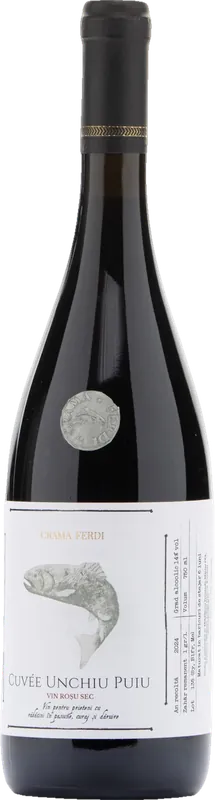
Cuvée Unchiu Puiu
Crama Ferdi
Concept Frâncușă Baricată
Casa de Vinuri Cotnari
Migală Cuvée 25
Crama DeMatei

Diamant Selection
Villa Vinea
Chardonnay
Domeniile La Migdali
Nud Roze
Crama Rasova
Dobrogea Hills
Busuiaca Blanc De Rose Diamond Selection
Domeniile Averești

Cabernet Sauvignon
Triterra
Crișana and Maramureș
Ataman Cabernet Sauvignon Rose
Crama Hamangia
Dobrogea Hills
Hermeziu Te Ispiteşte
Crama Hermeziu
Blickfang Rose
Cramele Recaș
Banat
24 of 101 shown, no more than two from each producer.
Sources
Where these series come from.
ERA5-Land and ERA5 reanalyses, Copernicus
Temperatures from ERA5-Land, a grid of about 0.1°; precipitation from ERA5, a coarser grid. A gridded model, not weather stations in the vineyards.
Contains modified Copernicus Climate Change Service information 2026. Processed: daily values, elevation adjustment. Licence CC BY 4.0. How the weather is computed
Elevation adjustment: Copernicus DEM GLO-90, produced using Copernicus WorldDEM-90 © DLR e.V. 2010-2014 and © Airbus Defence and Space GmbH 2014-2018 provided under COPERNICUS by the European Union and ESA; all rights reserved.
One grid cell per region
Each region is computed at a single representative point, not as an average of its appellations. The card shows the cell's coordinates and elevation, which can differ from the vineyards'.
Season window
April 1 to October 31. A year is compared with the mean of the previous ten full seasons, provided there are at least eight of them.
About these numbers
Source: ERA5-Land reanalysis, precipitation from ERA5 (Copernicus Climate Change Service) — a gridded model, not weather stations in the vineyards. Years are compared with the mean of the previous ten, not with the 1991–2020 climate normal: the climate has shifted, and against that normal most recent years would read as warmer than usual — true about warming, but not about the year. This is not a rating of wine and not a drinking window: the weather explains what the season was like; what ended up in the bottle depends on picking and on the winery's work.